
Puja Places
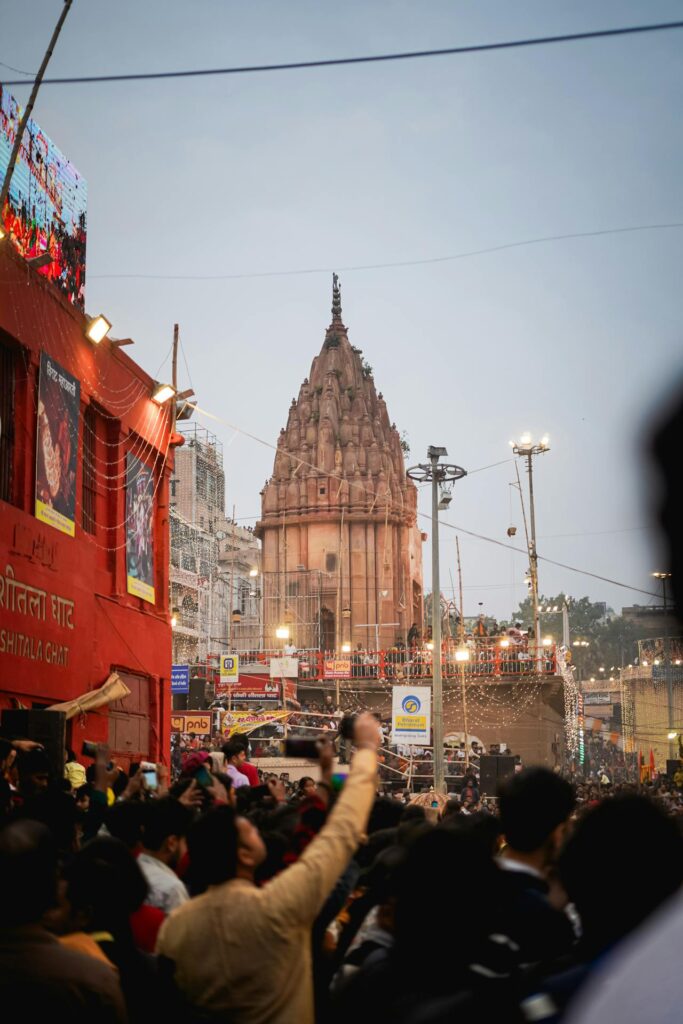
Kashi (Varanasi)
Arapan…Tarpan… Samarpan ki Nagari
Kashi (Varanasi) is Hinduism’s holiest city, revered as the eternal abode of Lord Shiva. It is the ultimate destination for achieving Moksha (liberation from the cycle of birth and death). Hindus believe that dying in Kashi or taking a dip in the Ganges cleanses all sins.
The profound religious and spiritual importance of Kashi is rooted in several core beliefs and mythological milestones:
- Abode of Shiva: Kashi is believed to rest upon the trident of Lord Shiva and remains untouched even during cosmic dissolution. Shiva and Goddess Parvati are said to reside here permanently.
- The Tarak Mantra: According to the Skanda Purana, Lord Shiva personally visits every being who departs in Kashi to whisper the Taraka Mantra (the salvation mantra) into their ear, guaranteeing instant liberation.
- The First Jyotirlinga: The Kashi Vishwanath Temple houses one of the 12 sacred Jyotirlingas (pillars of infinite light) representing Lord Shiva.
- Spiritual Cleansing: The Ganges River flows northward in Kashi, making its ghats (stepped riverbanks) highly auspicious. A dip in the holy waters is believed to wash away a lifetime of bad karma.
- The Manikarnika Ghat: Known as the ultimate cremation ground, Hindus believe that Lord Vishnu dug a pit with his discus and filled it with sweat during his penance. Lord Shiva’s earring fell into this pool, making it the supreme site for Moksha.
Because of these deep-rooted spiritual promises, Hindus traditionally perform the Kashi Yatra at least once in their lifetime to seek enlightenment and honor their ancestors.
Ayodhya
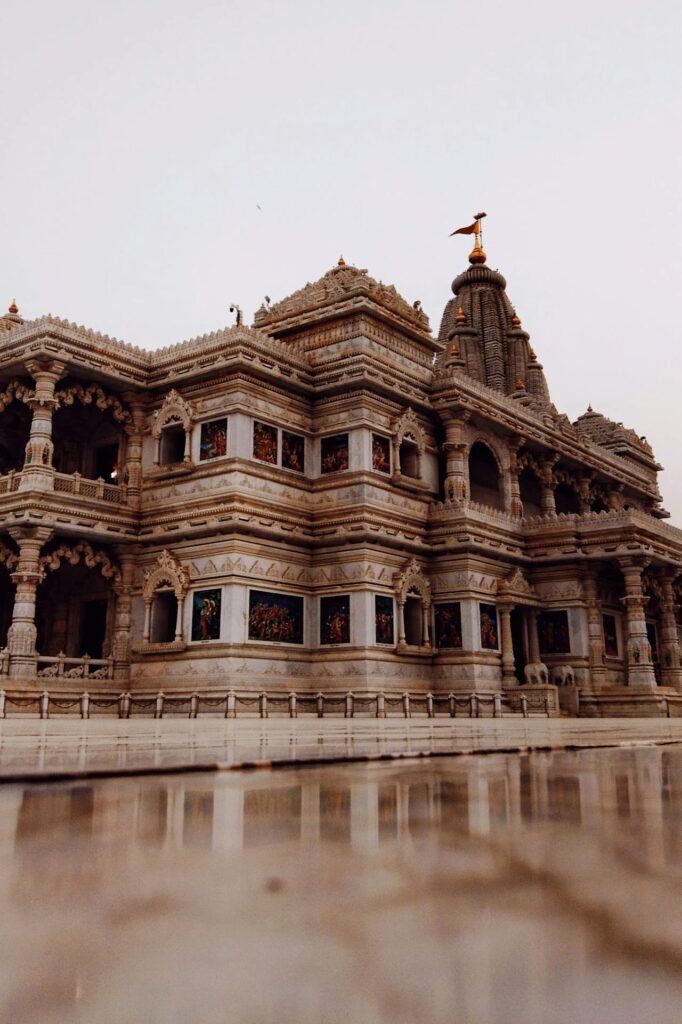
Ayodhya is considered the spiritual heart of Hinduism. Revered as the birthplace of Lord Rama, the seventh avatar of Lord Vishnu, it is the sacred setting for the epic Ramayana. The city represents the ideal of righteous governance (Ram Rajya) and remains a profound focal point of global Hindu devotion.
Its critical importance to the faith is anchored in several key aspects:
1. The Birthplace (Ram Janmabhoomi)
- The Ram Janmabhoomi is traditionally believed to be the exact spot where Lord Rama was born.
- It is home to the Ram Mandir, a monumental temple constructed on the site, that stands as a deeply revered symbol of faith, resilience, and cultural identity.
2. One of the Seven Holy Cities (Sapta Puri)
- Ayodhya is the first of the Sapta Puri, the seven sacred cities of liberation in Hinduism.
- According to Hindu belief, undertaking a pilgrimage to these seven cities—which include Mathura, Haridwar, and Varanasi—is believed to aid a devotee in attaining moksha (liberation from the cycle of rebirth).
3. Sacred Geography and Mythology
- Sarayu River: The city is situated on the banks of the sacred Sarayu river, which holds purifying properties for pilgrims who bathe in its waters.
- Epic Capital: It was the legendary capital of the Kosala Kingdom and the ancestral home of the Ikshvaku dynasty, which produced celebrated kings like Dasharatha and Raghu.
Haridwar
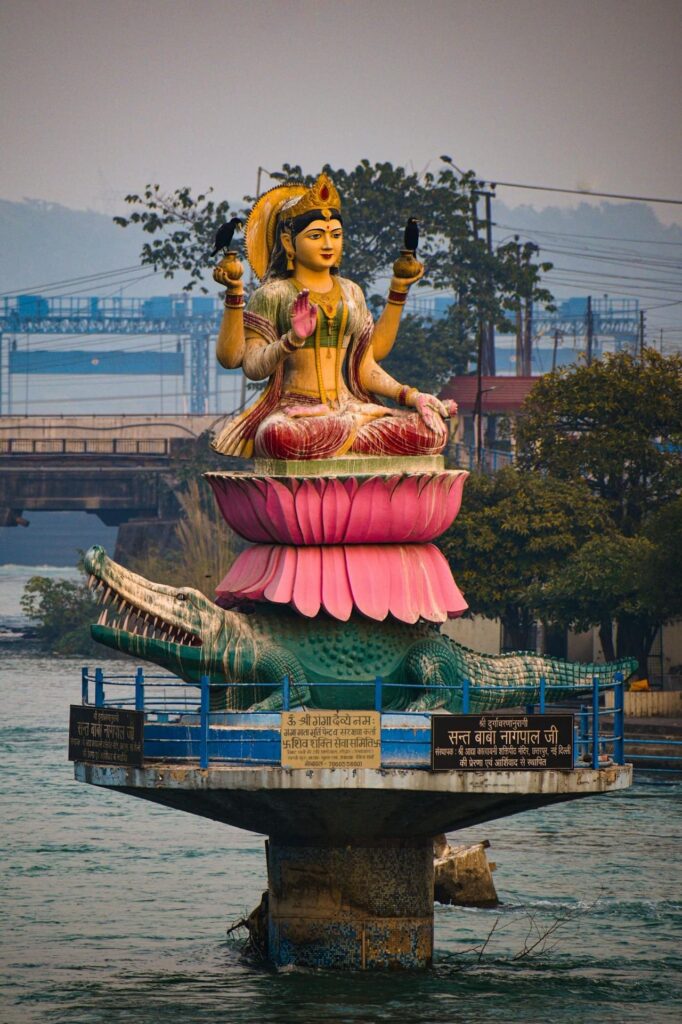
Haridwar, literally translating to “Gateway to the Lord”, is one of Hinduism’s seven most sacred Sapta Puri cities. As the first point where the River Ganges emerges from the Himalayas onto the plains, it is a primary pilgrimage hub for spiritual cleansing, Moksha (salvation), and the starting point for the Char Dham yatra.
The profound religious significance of Haridwar is rooted in several foundational Hindu beliefs: [1, 2]
- The Descent of the Ganges: According to legend, King Bhagiratha brought the river from the heavens to earth to achieve salvation for his ancestors. It is believed that a dip in the Ganges here absolves devotees of past sins.
- The Amrit (Elixir) Drops: Haridwar is one of four divine sites where drops of the elixir of immortality accidentally spilled during the churning of the ocean (Samudra Manthana). Because of this, it hosts the massive Kumbha Mela every 12 years.
- Har Ki Pauri: This is the most iconic ghat in the city, where Lord Vishnu is believed to have left his footprint. It is the focal point for ritual bathing and the spectacular daily morning and evening Ganga Aarti.
- Gateway to the Gods: Known as the entry point to the Dev Bhoomi (land of the gods), devotees historically begin their Chaar Dham Yatra from here.
- Shakti Peethas: The city houses ancient temples like Mansa Devi and Daksha Mahadev, making it an important center for followers of both Lord Shiva and Goddess Shakti.
Gaya
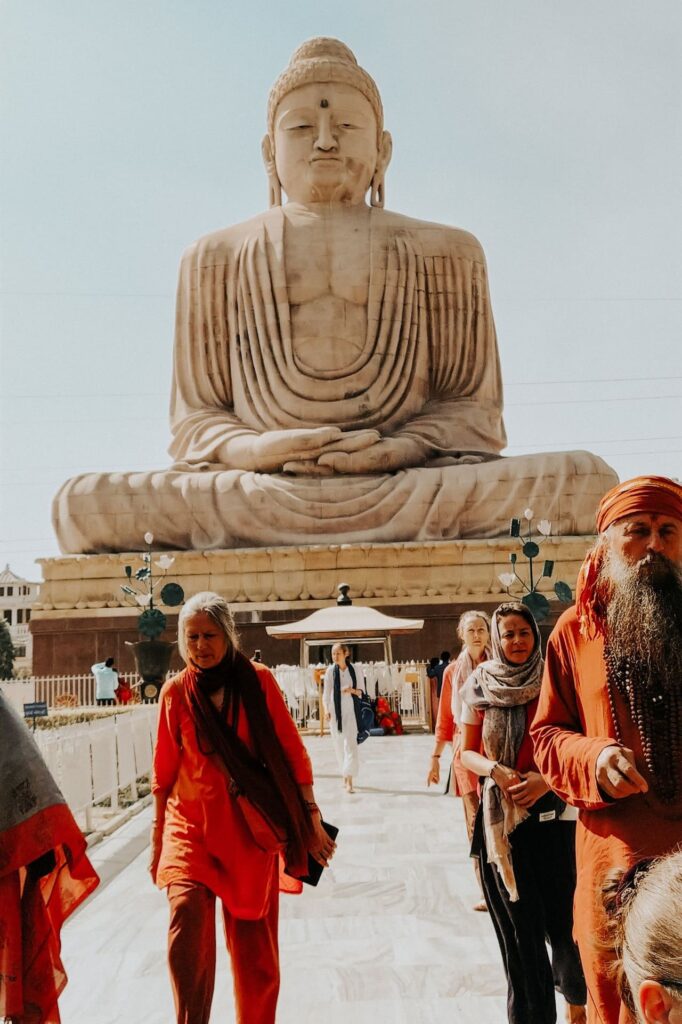
Gaya is the holiest site in Hinduism for performing Pind Daan and Shradh—sacred rituals dedicated to freeing the souls of departed ancestors and helping them attain Moksha (liberation from the cycle of rebirth). It is believed that paying homage to forefathers here settles ancestral debts and secures their place in heaven.
Mythological Origins
Gaya’s sanctity is deeply rooted in Hindu epics and Puranas:
- The Legend of Gayasura: According to the Garuda Purana, the city is named after the demon Gayasura, who performed severe penance. Lord Vishnu subdued him by standing on his chest and granted a boon: the location of his body would become the most sacred place on earth, and any rituals performed here would grant salvation.
- Divine Precedent: The epic Ramayana states that Lord Rama, accompanied by Sita and Lakshmana, traveled to the banks of the Phalgu River in Gaya to perform Pind Daan for his father, King Dasharatha.
Key Sacred Sites
Pilgrims visiting Gaya engage in a circuit of holy spots (vedis) to complete their ancestral rites: [1]
- Vishnupad Temple: The centerpiece of Gaya, this 18th-century temple (renovated by Queen Ahilyabai Holkar) houses a 40-centimeter footprint of Lord Vishnu etched into solid basalt rock. [1, 2, 3]
- Phalgu River: Pilgrims perform ancestral offerings and prayers on the dry sands of this sacred river. [1, 2]
- Akshayavat: A sacred, immortal banyan tree located within the Vishnupad temple complex, where devotees tie their final offerings, symbolizing the permanent liberation of their ancestors.